SEO vs Social Media Marketing Who is the best
Search Engine Optimization (SEO) and Social Media Marketing are two important digital marketing strategies, but they work in different ways. SEO focuses on improving a website’s visibility on search engines like Google by using keywords, quality content, and technical optimization. It is a long-term strategy that brings organic traffic and builds trust with users over time. On the other hand, Social Media Marketing uses platforms such as Facebook, Instagram, Twitter, and LinkedIn to promote products and engage directly with audiences.

 15-DEC-2025
 25 Minute read
Option 1 – Professional & Polished
Online conversations shift quickly, and public opinion can turn positive or negative in a matter of moments. A single post, review, or headline can significantly influence how people view your brand. These discussions often evolve without warning — and not always in your favor.
When facing an online reputation management (ORM) challenge, many brand managers overlook paid social media advertising. Instead, they rely on tools such as Google Alerts or Hootsuite to track mentions and sentiment.
While monitoring tools are useful, depending only on organic reach leaves your brand vulnerable to algorithms, timing, and unpredictable audience reactions. By the time a response gains traction, the reputational impact may already be difficult to reverse. This reactive approach limits your ability to shape the narrative.
Paid social advertising offers a more proactive solution. With the right strategy, it provides speed, precision, and control, allowing brands to influence conversations before perceptions are formed.
In this article, we’ll explore how paid advertising can help brands stay ahead of the narrative and maintain a consistent, positive brand image.
Option 2 – Conversational & Marketing-Friendly
The online narrative can change in seconds, and public perception can shift just as fast. One tweet, review, or news headline can redefine how your brand is seen. These conversations move quickly — and often without your control.
When a reputation issue arises, many brands focus only on monitoring tools like Google Alerts or social listening platforms. While useful, these tools alone make your response dependent on timing and organic reach.
Relying solely on organic visibility means reacting after the damage is already done. Algorithms, limited reach, and delayed responses can make reputation recovery harder than it needs to be.
Paid social media advertising changes that. It allows brands to act quickly and strategically, delivering the right message to the right audience before negative sentiment gains momentum.
In this blog, we’ll show how paid advertising can help you take control of the conversation and protect your brand’s reputation.
Option 3 – Short & Direct
Online public opinion can change instantly. A single post or headline can influence how people perceive your brand, often without warning.
During reputation management crises, brands usually rely on monitoring tools and organic responses. While helpful, this approach is reactive and leaves brands vulnerable to timing and algorithm limitations.
Paid social advertising offers a proactive alternative. It provides speed, reach, and targeting that help shape the narrative before it escalates.
This article explains how paid advertising can support effective online reputation management and keep your brand message consistent.
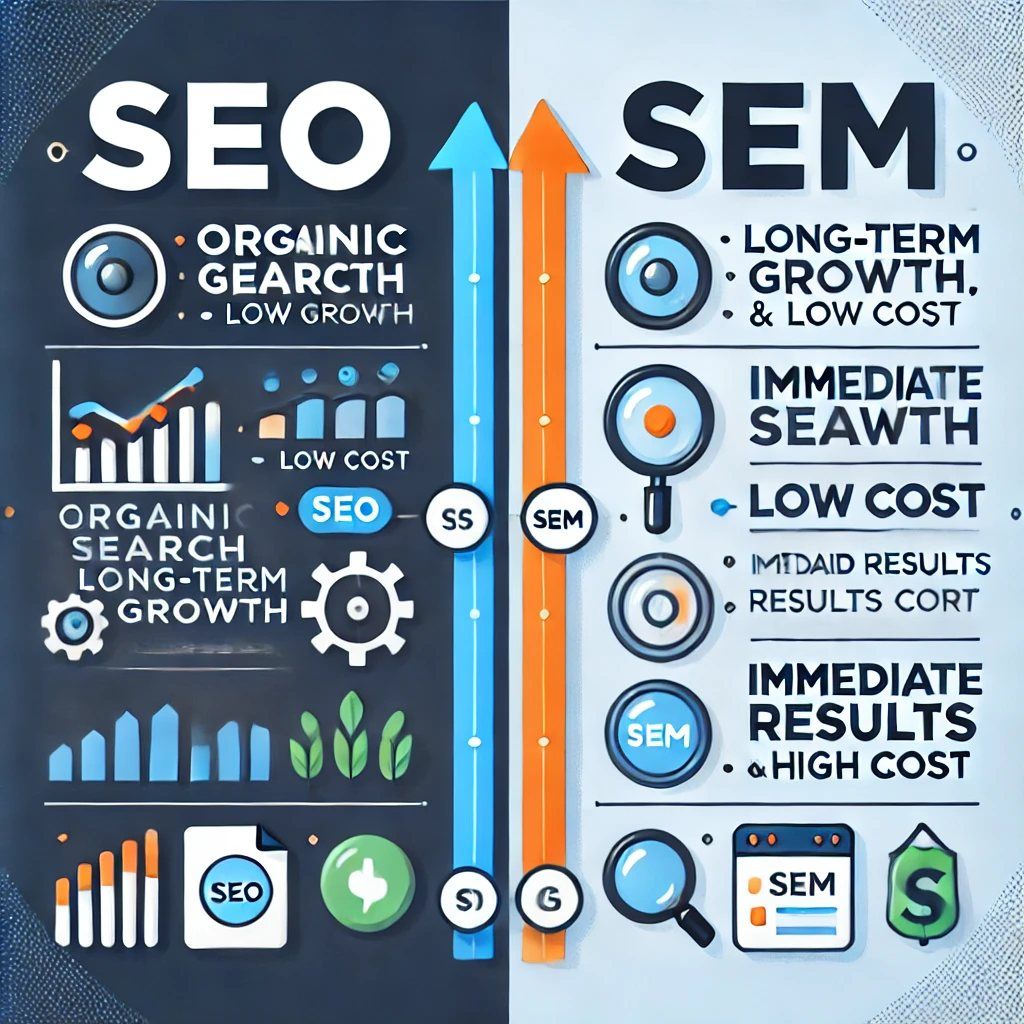
SEO vs SEM
SEO (Search Engine Optimization)
SEO (Search Engine Optimization) focuses on improving a website’s organic search rankings through quality content, keywords, and technical optimization. It takes time to show results but provides long-term growth and is cost-effective.
SEM (Search Engine Marketing)
The main difference between SEO and SEM is time and cost. SEO is a long-term strategy that builds trust and stable traffic without paying for clicks. SEM is a short-term strategy that delivers fast results and is ideal for promotions or new launches. Both SEO and SEM work best when combined to achieve both immediate
Search Engine Optimization (SEO) and Search Engine Marketing (SEM) are two important digital marketing strategies used to increase a website’s visibility on search engines such as Google, Bing, and Yahoo. Although both aim to attract more visitors, their methods, cost structure, and time frame are very different. Understanding the difference between SEO and SEM helps businesses choose the right approach for their online goals.
SEO focuses on improving a website’s position in organic (unpaid) search results. It includes techniques such as keyword research, high-quality content creation, website optimization, link building, and improving user experience. SEO does not provide instant results; instead, it requires time, consistency, and patience. However, once a website ranks well, it can attract continuous traffic without paying for each click. This makes SEO a cost-effective and long-term strategy. SEO also helps build credibility and trust, as users often prefer organic results over paid advertisements.
On the other hand, SEM mainly refers to paid search advertising. It allows businesses to place ads at the top of search engine results pages by bidding on specific keywords. The most common form of SEM is pay-per-click (PPC) advertising, where advertisers pay only when someone clicks on their ad. SEM delivers immediate results and is ideal for short-term campaigns, product launches, or competitive markets. However, the traffic stops as soon as the advertising budget runs out, making SEM more expensive over time.
The major difference between SEO and SEM lies in time and cost. SEO is a slow but sustainable process that provides long-lasting benefits, while SEM offers quick visibility but depends heavily on continuous investment. SEO focuses on long-term growth and brand authority, whereas SEM focuses on instant traffic and fast conversions. Another difference is user perception; organic results gained through SEO are often considered more trustworthy, while paid ads are sometimes ignored by users.
Despite their differences, SEO and SEM are not competitors but complementary strategies. Using both together can produce the best results. SEO builds a strong foundation for long-term success, while SEM fills the gap by providing immediate traffic and exposure. Businesses that combine SEO and SEM can reach their audience at different stages of the buying journey, improve online presence, and maximize return on investment.
In conclusion, SEO and SEM are essential tools in digital marketing. SEO is best for long-term growth, trust, and cost efficiency, while SEM is effective for quick results and targeted advertising. Choosing the right strategy depends on business goals, budget, and time, but a balanced approach using both SEO and SEM leads to stronger and more sustainable online success.
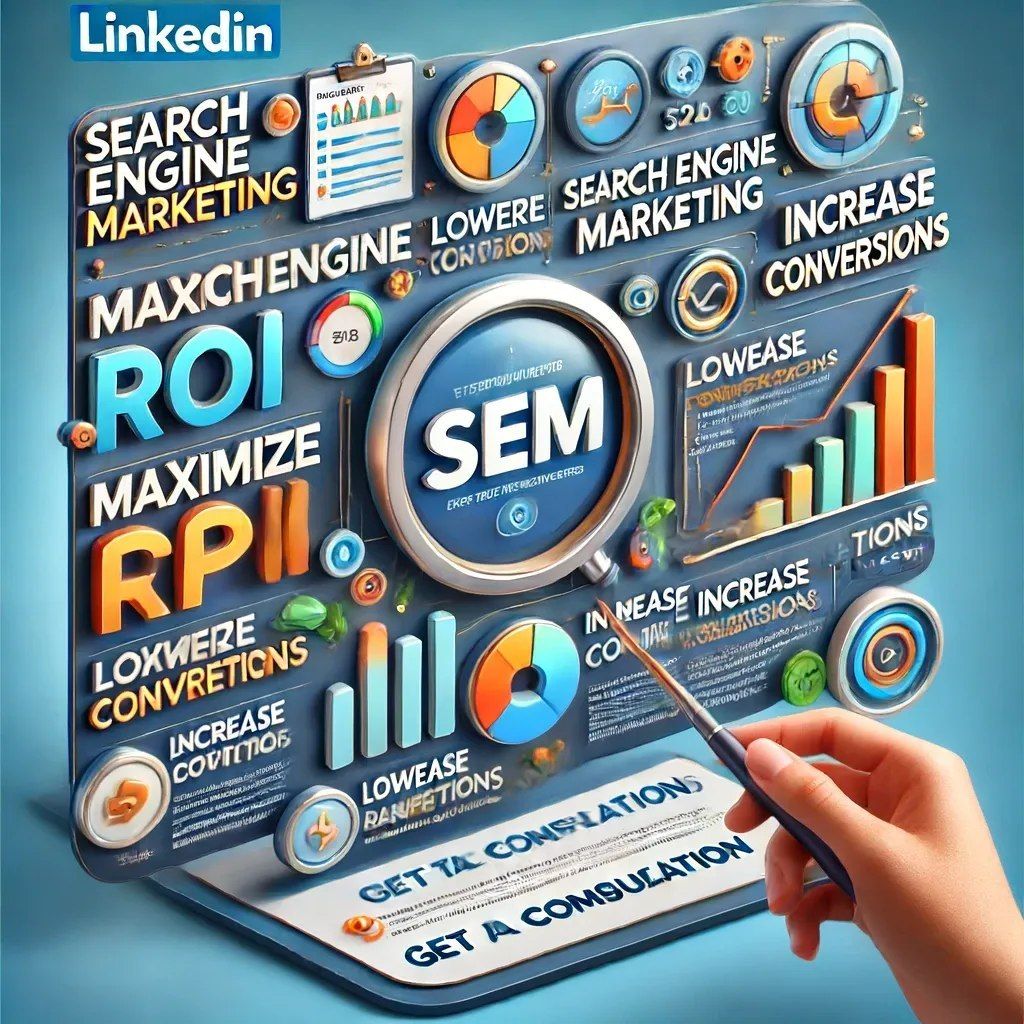
Search Engine Optimization (SEO) vs Search Engine Marketing (SEM)
In today’s digital world, having an online presence is essential for businesses, organizations, and individuals. Millions of websites compete for attention on search engines such as Google, Bing, and Yahoo. To stand out in this competitive environment, digital marketing strategies are used to improve visibility and attract users. Among these strategies, Search Engine Optimization (SEO) and Search Engine Marketing (SEM) play a crucial role. Although both SEO and SEM aim to increase website traffic and visibility on search engine results pages, they differ significantly in terms of approach, cost, time frame, and overall strategy. Understanding these differences helps businesses make informed decisions and build effective online marketing plans.
Search Engine Optimization, commonly known as SEO, focuses on improving a website’s organic or unpaid search rankings. The main goal of SEO is to make a website more relevant, useful, and user-friendly so that search engines rank it higher for specific search queries. SEO involves a wide range of techniques, including keyword research, content creation, on-page optimization, technical improvements, link building, and enhancing user experience. Search engines use complex algorithms to decide which pages appear at the top of search results, and SEO works by aligning a website with these ranking factors.
One of the most important aspects of SEO is keyword research. This process involves identifying the words and phrases users type into search engines when looking for information, products, or services. By targeting the right keywords, businesses can create content that matches user intent and increases the chances of appearing in relevant search results. High-quality content is another core element of SEO. Search engines prioritize content that is informative, original, and valuable to users. Well-written articles, blogs, guides, and videos not only improve rankings but also encourage users to stay longer on the website.
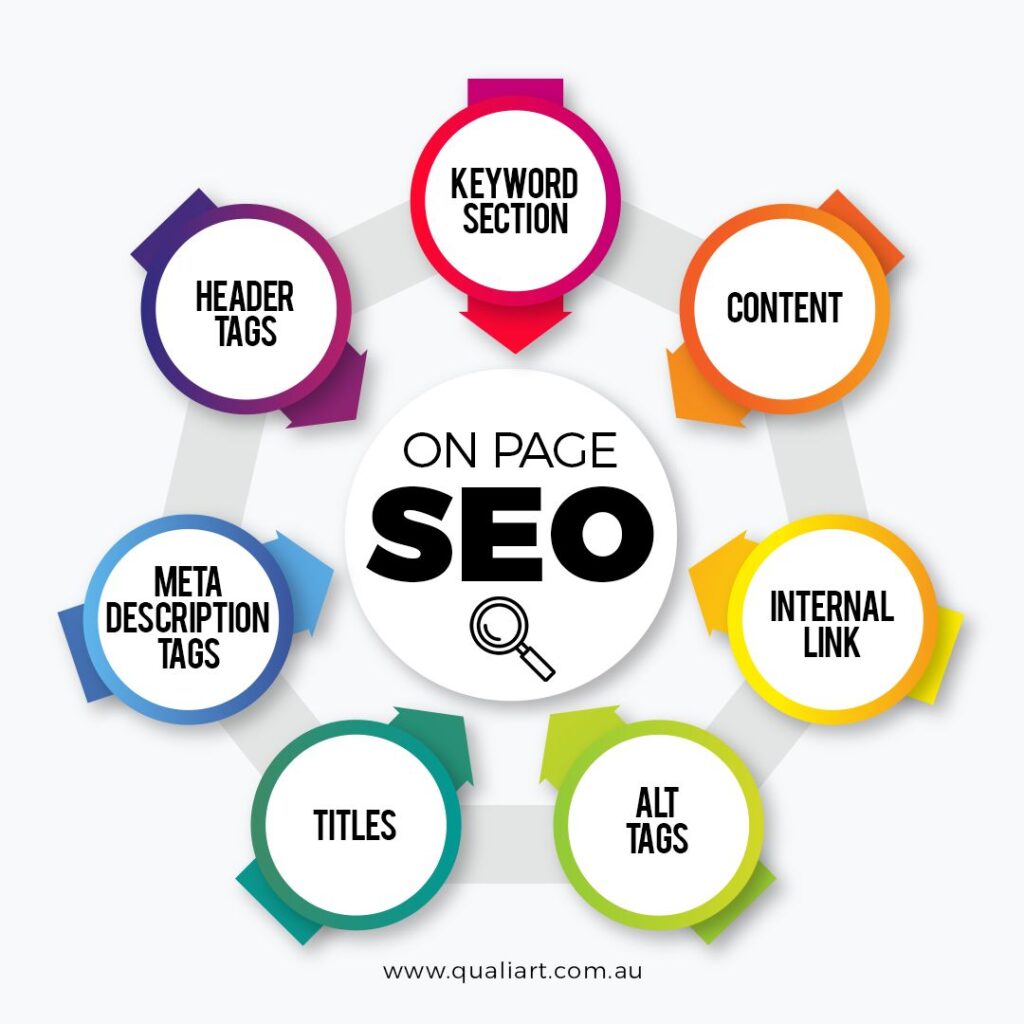
SEO also includes on-page optimization, which focuses on improving elements within the website itself. This includes optimizing titles, meta descriptions, headings, images, and internal links. Technical SEO plays a vital role as well, ensuring that the website loads quickly, is mobile-friendly, and has a clear structure that search engines can easily crawl and index. Additionally, link building helps increase a website’s authority by earning backlinks from other reputable websites. All these efforts combined help build a strong online presence over time.
One key characteristic of SEO is that it does not provide instant results. It requires time, consistency, and patience. Search engines take time to recognize improvements and adjust rankings accordingly. However, once a website achieves good organic rankings, it can attract steady and continuous traffic without paying for each visitor. This makes SEO a cost-effective and sustainable strategy in the long run. Moreover, organic search results are often viewed as more trustworthy by users, which helps build credibility and brand reputation.
In contrast, Search Engine Marketing, or SEM, primarily focuses on paid advertising to achieve immediate visibility on search engines. The most common form of SEM is pay-per-click (PPC) advertising, where advertisers pay a fee each time someone clicks on their ad. Popular platforms such as Google Ads enable businesses to target users based on keywords, location, device, language, and even user behavior.
SEM is highly effective for generating quick results. Unlike SEO, which takes time to build momentum, SEM can drive traffic to a website almost instantly after launching a campaign. This makes SEM ideal for short-term goals such as product launches, promotional offers, seasonal campaigns, or entering competitive markets. Businesses can control their budget, set daily spending limits, and measure results in real time. Detailed analytics provided by advertising platforms allow marketers to track impressions, clicks, conversions, and return on investment.
However, SEM comes with ongoing costs. Traffic generated through paid ads stops as soon as the advertising budget is exhausted. This means SEM can become expensive over time, especially in competitive industries where keyword bidding costs are high. While SEM provides immediate exposure, it does not build long-term organic authority in the same way SEO does. Additionally, some users tend to skip paid ads and focus more on organic search results, which can affect engagement levels.
The major difference between SEO and SEM lies in their approach to time and cost. SEO is a long-term strategy that focuses on building a strong foundation for sustainable growth. It requires upfront investment in content, optimization, and technical improvements, but it reduces dependency on paid advertising over time. SEM, on the other hand, is a short-term strategy that offers quick visibility but relies on continuous spending. Businesses must carefully manage their budgets to maintain consistent results through SEM.
Another key difference between SEO and SEM is user perception. Organic results achieved through SEO are often seen as more credible and trustworthy because they are earned rather than paid for. Users tend to believe that websites ranking organically provide more relevant and authentic information. Paid ads, while effective, are sometimes ignored or viewed with skepticism. This difference in perception can influence click-through rates and user engagement.
Despite these differences, SEO and SEM should not be seen as competing strategies. Instead, they complement each other when used together effectively. A balanced digital marketing strategy often includes both SEO and SEM to achieve the best results. SEO builds long-term visibility, authority, and trust, while SEM provides immediate traffic and supports short-term objectives. For example, businesses can use SEM to drive traffic to new content or products while waiting for SEO efforts to deliver organic rankings.
Combining SEO and SEM also allows businesses to target users at different stages of the customer journey. SEO is effective for attracting users who are researching or seeking information, while SEM can target users who are ready to make a purchase or take action. By using both strategies together, businesses can increase brand awareness, improve conversion rates, and maximize overall return on investment.
Another advantage of integrating SEO and SEM is data sharing. Insights gained from SEM campaigns, such as high-performing keywords and user behavior, can be used to improve SEO strategies. Similarly, organic search performance data can help refine paid advertising campaigns. This data-driven approach helps businesses make smarter marketing decisions and optimize their digital efforts.
In conclusion, Search Engine Optimization and Search Engine Marketing are essential components of modern digital marketing. SEO focuses on organic growth, long-term success, and cost efficiency, while SEM emphasizes quick results, targeted advertising, and immediate visibility. Each strategy has its strengths and limitations, and the choice between them depends on business goals, budget, competition, and time frame. However, the most effective approach is not choosing one over the other but combining both SEO and SEM into a unified strategy. By leveraging the long-term benefits of SEO and the instant impact of SEM, businesses can achieve sustainable growth, stronger online presence, and lasting success in the digital marketplace.
SEO (Search Engine Optimization)
The main difference between SEO and SEM is time and cost. SEO is a long-term strategy that builds trust and stable traffic without paying for clicks. SEM is a short-term strategy that delivers fast results and is ideal for promotions or new launches. Both SEO and SEM work best when combined to achieve both immediate and long-lasting online success. SEO (Search Engine Optimization) focuses on improving a website’s organic search rankings through quality content, keywords, and technical optimization. It takes time to show results but provides long-term growth and is cost-effective. On the other hand, SEM (Search Engine Marketing) uses paid advertisements to appear at the top of search engine results. SEM gives immediate visibility and quick traffic but requires continuous spending.
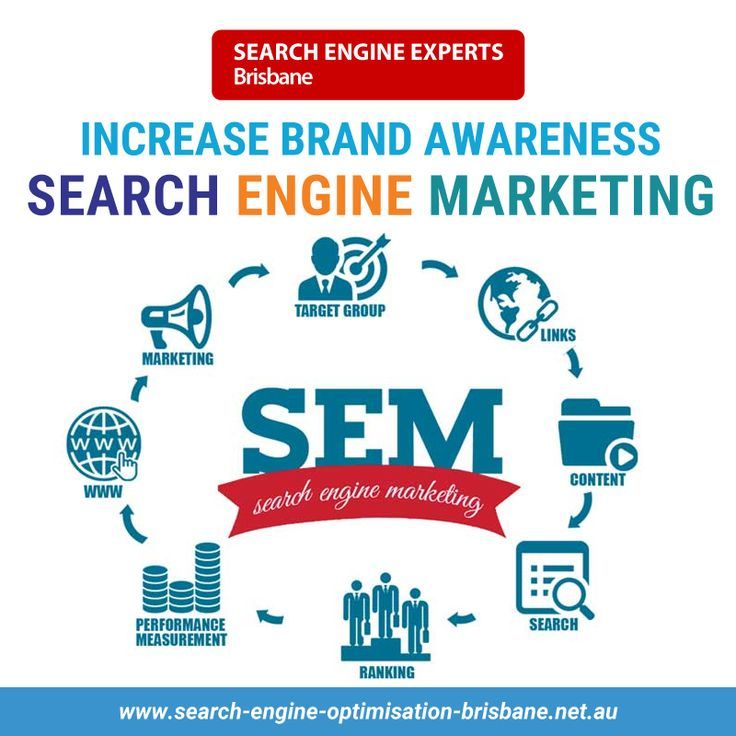
SEM (Search Engine Marketing)
The main difference between SEO and SEM is time and cost. SEO is a long-term strategy that builds trust and stable traffic without paying for clicks. SEM is a short-term strategy that delivers fast results and is ideal for promotions or new launches. Both SEO and SEM work best when combined to achieve both immediate and long-lasting online success.
SEO (Search Engine Optimization) focuses on improving a website’s organic search rankings through quality content, keywords, and technical optimization. It takes time to show results but provides long-term growth and is cost-effective. On the other hand, SEM (Search Engine Marketing) uses paid advertisements to appear at the top of search engine results. SEM gives immediate visibility and quick traffic but requires continuous spending.
SEO (Search Engine Optimization)
Search Engine Optimization, commonly known as SEO, is a digital marketing process used to improve a website’s visibility in organic or unpaid search engine results. In today’s digital age, search engines such as Google, Bing, and Yahoo play a major role in how people find information, products, and services online. SEO helps websites appear higher in search engine results pages when users search for relevant keywords. The main purpose of SEO is to attract quality traffic, increase brand awareness, and improve user experience by making websites more useful and accessible.
SEO works by understanding how search engines function and what users are searching for. Search engines use complex algorithms to analyze websites and decide which pages are most relevant to a user’s query. These algorithms consider many factors, including keyword usage, content quality, website structure, page speed, mobile friendliness, and backlinks. SEO aims to align a website with these factors so that search engines can easily understand and rank it. When a website follows SEO best practices, it has a higher chance of appearing on the first page of search results, where most users click.
One of the most important components of SEO is keyword research. Keywords are the words and phrases users type into search engines when they are looking for information. Effective SEO starts with identifying the right keywords that match user intent. This means understanding whether users are looking for information, making a comparison, or ready to buy a product or service. By targeting relevant keywords, businesses can create content that directly answers user needs, leading to better engagement and higher rankings.
Content creation is another core element of SEO. Search engines prefer high-quality, original, and informative content that provides real value to users. Well-written articles, blog posts, guides, and videos help websites rank better and keep visitors engaged. Content should be easy to read, well-structured, and optimized with relevant keywords without overusing them. Good content not only improves rankings but also builds trust and authority in the eyes of both users and search engines.
On-page SEO focuses on optimizing elements within a website. This includes title tags, meta descriptions, headings, URLs, internal links, and image optimization. Proper on-page optimization helps search engines understand what a webpage is about and improves click-through rates from search results. Clear navigation and organized content also enhance user experience, which is an important ranking factor.
Technical SEO plays a vital role in ensuring that a website performs well from a technical perspective. This includes improving website speed, ensuring mobile responsiveness, fixing broken links, and using secure HTTPS connections. A technically optimized website is easier for search engines to crawl and index, which improves its chances of ranking higher. Since most users access websites through mobile devices, mobile-friendly design has become an essential part of SEO.
Another important aspect of SEO is link building. Backlinks are links from other websites that point to your site. Search engines consider backlinks as votes of confidence, especially when they come from authoritative and relevant websites. High-quality backlinks help increase a website’s credibility and authority, which can lead to better rankings. However, link building should be done ethically, as low-quality or spammy links can harm a website’s SEO performance.
One of the biggest advantages of SEO is that it is a long-term and cost-effective strategy. Unlike paid advertising, SEO does not require paying for each click. While it takes time to see results, the traffic gained through SEO can continue for a long period without additional costs. Once a website achieves strong rankings, it can attract consistent visitors and generate leads or sales on a regular basis. This makes SEO a valuable investment for businesses of all sizes.
SEO also helps build trust and credibility. Users often trust organic search results more than paid advertisements because they believe top-ranking websites are more relevant and reliable. By consistently providing useful content and maintaining a well-optimized website, businesses can establish themselves as authorities in their industry. This trust leads to higher engagement, repeat visits, and stronger brand loyalty.
In addition to improving rankings, SEO enhances overall user experience. Factors such as fast loading times, mobile optimization, clear content structure, and easy navigation make websites more enjoyable to use. Search engines prioritize user satisfaction, so websites that focus on user experience often perform better in search results. SEO is not just about pleasing search engines; it is about creating a better experience for real users.
In conclusion, Search Engine Optimization is an essential digital marketing strategy that helps websites achieve long-term success online. It focuses on improving organic visibility, attracting relevant traffic, and providing value to users. Through keyword research, quality content, on-page optimization, technical improvements, and ethical link building, SEO helps websites grow sustainably. Although it requires time and effort, the long-term benefits of SEO, including cost efficiency, credibility, and consistent traffic, make it one of the most effective tools in digital marketing today.
SEM (Search Engine Marketing)
Search Engine Marketing, commonly known as SEM, is a digital marketing strategy that focuses on promoting websites through paid advertising on search engines such as Google, Bing, and Yahoo. SEM helps businesses increase their visibility on search engine results pages by placing ads in prominent positions, usually at the top or bottom of search results. In a highly competitive online environment, SEM plays an important role in attracting targeted traffic, generating leads, and increasing sales in a short period of time. Unlike organic methods, SEM provides immediate exposure and allows businesses to reach potential customers exactly when they are searching for related products or services.
SEM mainly works through paid search advertising, most commonly known as pay-per-click (PPC). In PPC advertising, advertisers bid on specific keywords that users type into search engines. When a user searches for those keywords, the search engine displays relevant ads, and the advertiser pays a fee only when the ad is clicked. This model makes SEM measurable and cost-controlled, as businesses can decide how much they are willing to spend and track performance in real time. Platforms such as Google Ads provide tools that allow advertisers to manage campaigns, set budgets, choose target audiences, and analyze results.
Keyword selection is one of the most important aspects of SEM. Advertisers must choose keywords that closely match user intent to ensure that their ads reach the right audience. These keywords can be informational, navigational, or transactional, depending on campaign goals. By targeting high-intent keywords, businesses can attract users who are more likely to convert into customers. Effective keyword management also includes using negative keywords, which prevent ads from appearing for irrelevant searches and help reduce unnecessary spending.
Ad creation is another essential element of SEM. Well-written ads should be clear, relevant, and persuasive. They typically include a headline, a short description, and a call-to-action that encourages users to click. Search engines evaluate ad quality using factors such as relevance, expected click-through rate, and landing page experience. A higher ad quality score can reduce costs and improve ad positioning. This means SEM is not only about spending money but also about creating meaningful and user-focused advertisements.
Landing pages play a crucial role in SEM success. When users click on an ad, they are directed to a landing page designed to achieve a specific goal, such as making a purchase, filling out a form, or signing up for a newsletter. A well-optimized landing page should load quickly, be mobile-friendly, and provide clear and relevant information. If the landing page experience is poor, conversion rates decrease and advertising costs may increase.
One of the biggest advantages of SEM is speed. Unlike Search Engine Optimization, which takes time to show results, SEM can drive traffic to a website almost immediately after a campaign is launched. This makes SEM ideal for short-term goals, promotional offers, product launches, and competitive markets. Businesses can quickly test different ads, keywords, and strategies to find what works best, allowing for flexible and data-driven decision making.
SEM also offers advanced targeting options. Advertisers can target users based on location, language, device type, time of day, and even user behavior. This level of control helps businesses reach the most relevant audience and maximize return on investment. Additionally, detailed analytics allow marketers to track impressions, clicks, conversions, and cost per acquisition. These insights help improve campaign performance and optimize future strategies.
Despite its advantages, SEM also has some limitations. The most significant drawback is cost. In highly competitive industries, keyword bidding can become expensive, and businesses must continuously invest to maintain visibility. Once the advertising budget runs out, traffic stops immediately. This makes SEM less sustainable as a long-term strategy when used alone. Additionally, some users prefer organic search results and may ignore paid advertisements, which can affect engagement.
For this reason, SEM is often most effective when used alongside other digital marketing strategies. While SEM provides immediate results, it does not replace the need for long-term brand building and organic growth. Many successful businesses use SEM to support their overall marketing efforts, especially during high-competition periods or when quick results are needed.
In conclusion, Search Engine Marketing is a powerful digital marketing strategy that offers fast visibility, precise targeting, and measurable results. It helps businesses reach potential customers at the right time and place, making it highly effective for driving traffic and conversions. Although SEM requires continuous investment and careful management, its ability to deliver immediate outcomes makes it an essential tool in modern digital marketing. When combined with long-term strategies such as content marketing and SEO, SEM can contribute significantly to sustainable online growth and business success.